
On this day in history, the Treaty of Washington was signed in 1836. This treaty was between federal officials and Anishinaabe leaders in the eastern Upper Peninsula and the northern Lower Peninsula of Michigan.
The treaty ceded significant lands to the United States and ushered in the logging boom that transformed the environmental, sociopolitical, and economic landscape of the region.
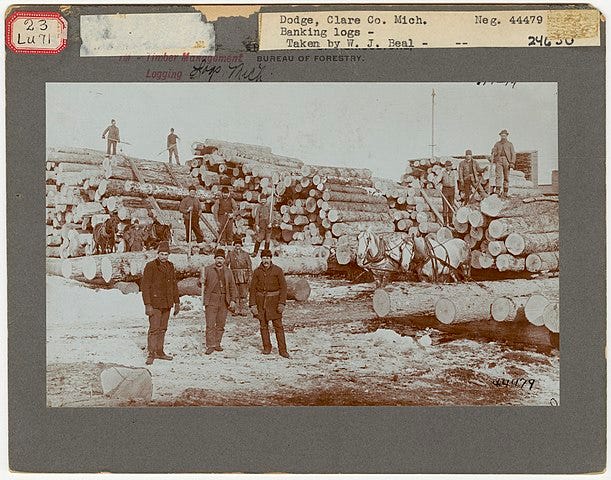
A logging camp in Michigan in 1905. Image from Wikimedia Commons.

Anishinaabe people also retained the rights to hunt, fish, and gather on ceded territory. Known as usufructuary rights or treaty rights, they were affirmed by courts in 1979.
In many cases, treaties were double-edged swords. In some cases, communities were faced with the decision of having the United States recognize their sovereignty and be forced from their traditional lands, or stay on the lands their ancestors lived on for centuries but have the United States no longer recognize their sovereignty.
Like other land cession treaties in the northern Great Lakes, the Treaty of Washington was not a removal treaty; however, it was still controversial. It is the only land cession treaty that the Anishinaabe people in the northern Great Lakes signed with the U.S. federal government, which took place outside Anishinaabe territory. As its name mentions, the treaty was signed in Washington, D.C.
Some Anishinaabe ogimaag (leaders) accused Henry Rowe Schoolcraft (the federal Indian Agent for the region) of choosing ogimaag with whom he had kinship ties and who agreed with his plans. They criticized Schoolcraft for inviting ogimaag from the St. Mary's River region, including Sault Ste. Marie who were not from the Crane doodem (clan), which is the clan of leaders for that area. The leaders who criticized Schoolcraft believed he located the treaty in Washington D.C. to ensure they could not attend.
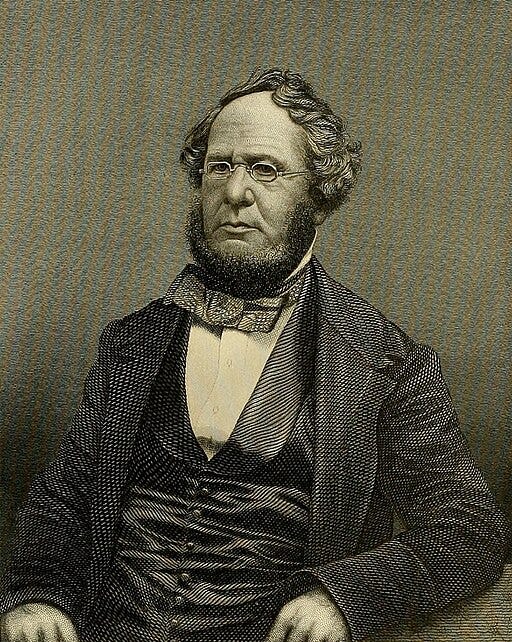
Henry Rowe Schoolcraft in 1884. Image from Wikimedia Commons.
The Treaty of Washington also created several reservations for Anishinaabe people in American territory. However, at a subsequent council with Henry Rowe Schoolcraft at Mackinac Island, ogimaag were coerced into a modification by the Senate, which stipulated the reservations would only last five years. The intended reservations included land on Sugar Island in the St. Mary's River, and another included Round Island in the Straits of Mackinac. Anishinaabe women stewarded significant amounts of land on these islands at the time the treaty was signed.
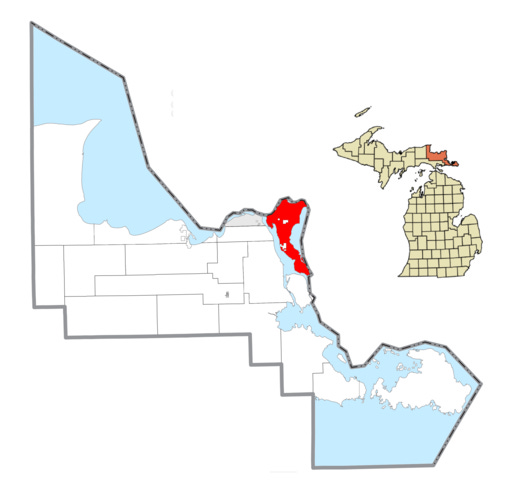
The location of Sugar Island shown in red. Image from Wikimedia Commons.

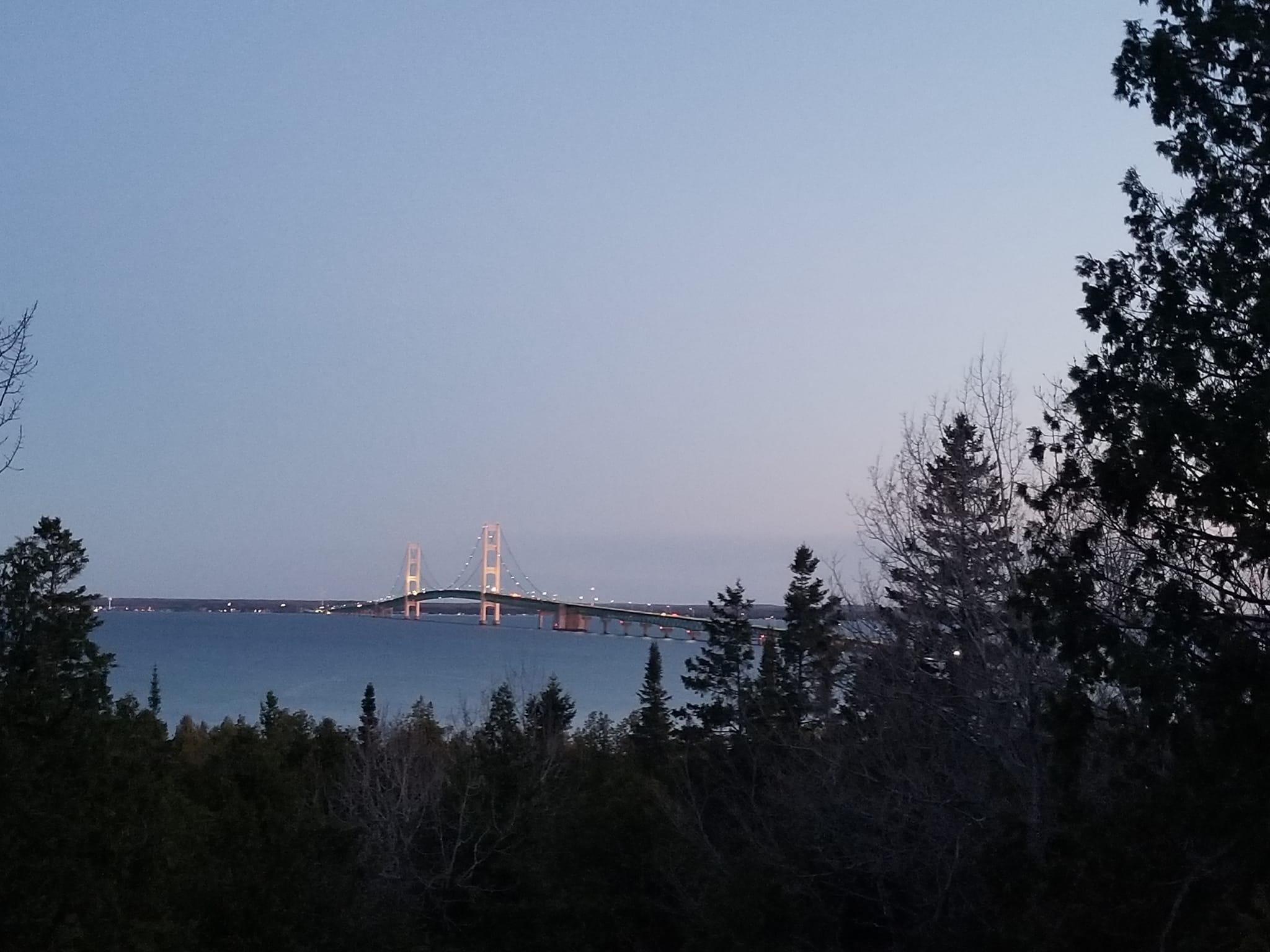
The Straits of Mackinac in the 21st century. Image is my own.
Before agreeing to the stipulation, the ogimaag received assurances from Schoolcraft that the United States had no interest in the land for the near future. While the Anishinaabe were never forcibly removed from the eastern Upper Peninsula, the Treaty of Detroit in 1855 implemented an allotment plan that led to a further loss of territory for the Anishinaabe and the dissolution of their reservations.
Anishinaabe people of Sault Saulte Marie gained federal recognition as a trial nation by the United States Commissioner of Indian Affairs on September 7, 1972. They did not have a land base, because of the land losses that occurred through allotment in the late 19th century. The federal government took land in trust for the tribe, and their reservation land is located in both the city of Sault Ste. Marie and on Sugar Island.
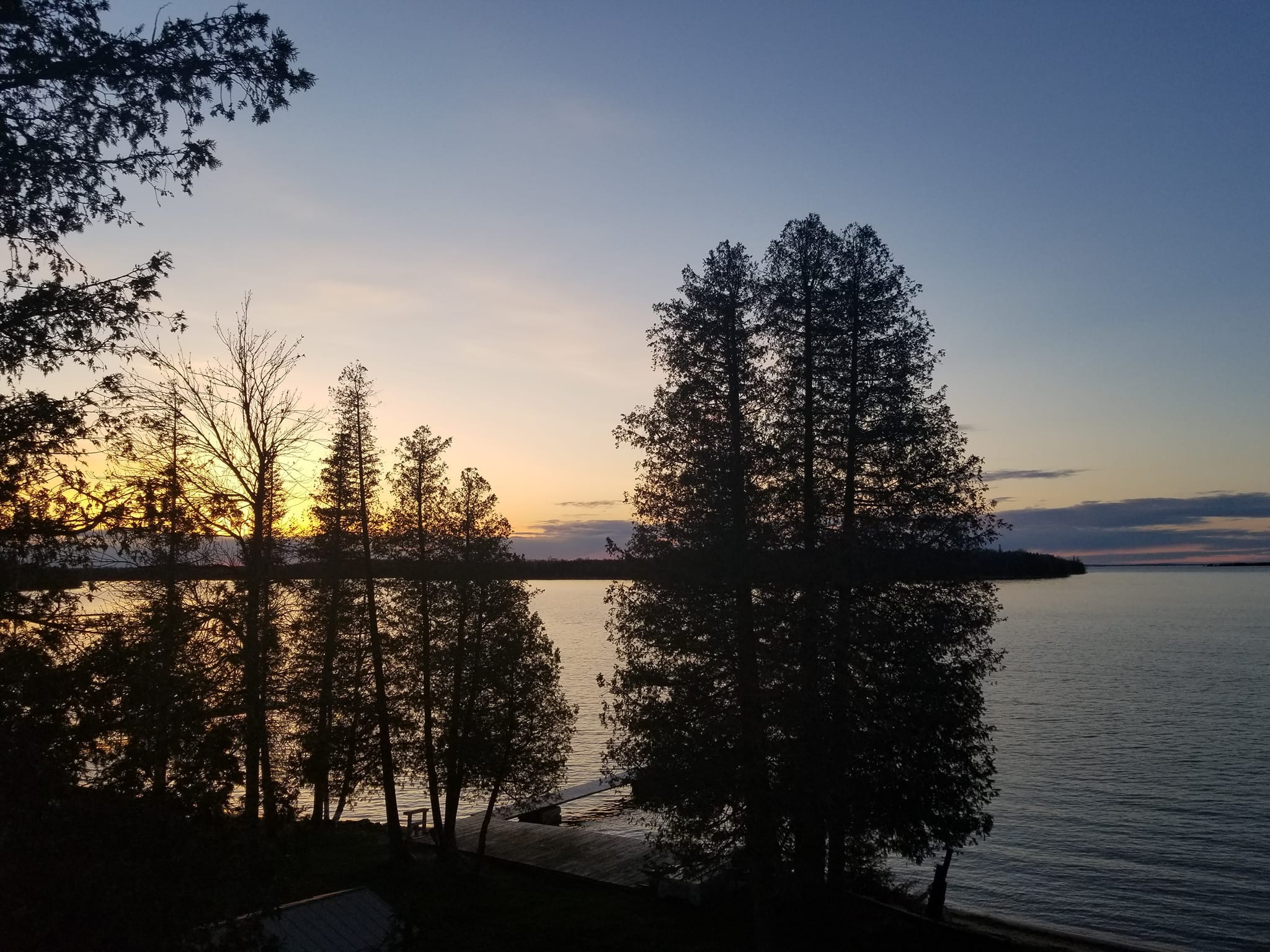
The St. Mary’s River. Image is my own.
These events are all examples of how treaties have shaped our shared history in the Great Lakes and continue to shape the present. Treaties are the law of the land, and Anishinaabe peoples continue to practice the treaty rights throughout ceded territory.
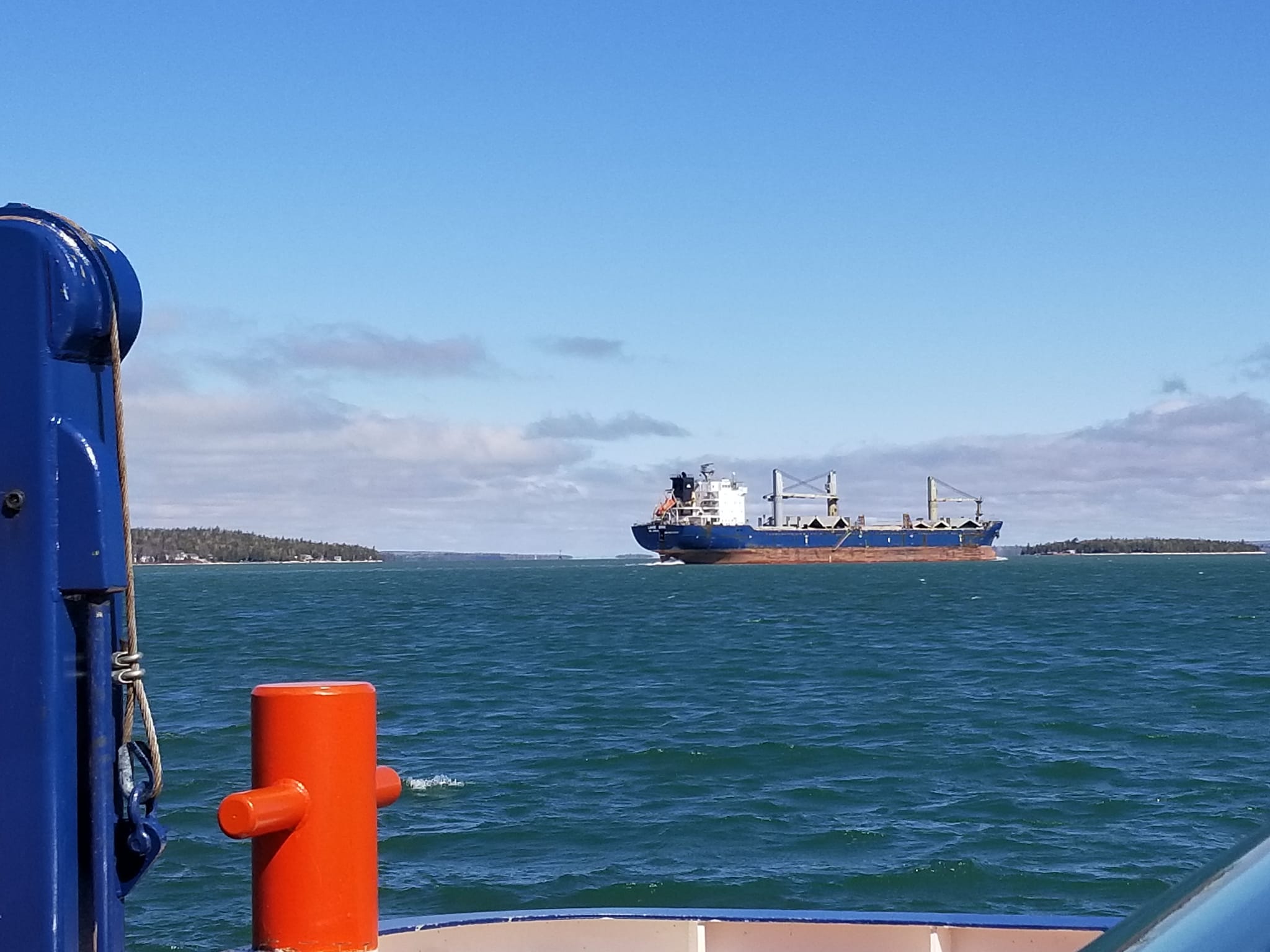
On the Drummond Island Ferry on the St. Mary’s River. This image exemplifies the tourism and extraction industries that have shaped the region since land cession treaties were signed. While these regions have significant impact on these waters, Anishinaabe people in the northern Great Lakes continue to exercise their fishing rights by fishing on Lake Superior, the St. Mary’s River, Lake Huron, and Lake Michigan.
Sent this to my coworkers in the Soo!